


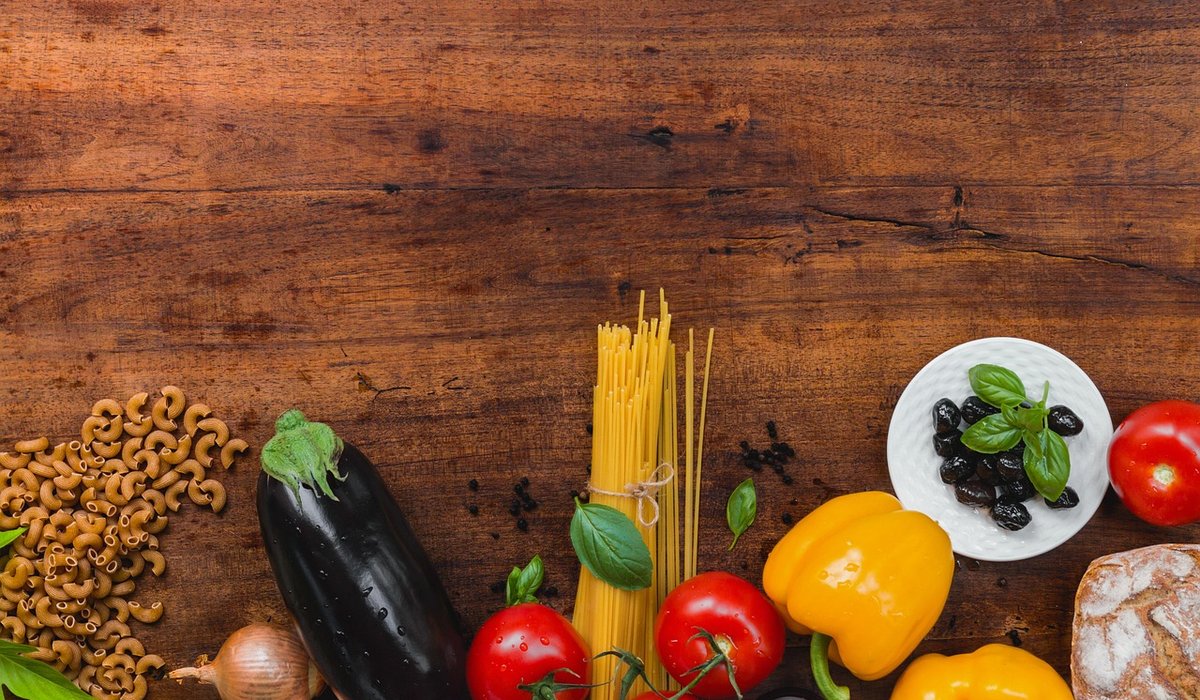
Start with a meal plan, not a shopping list
The single biggest saving in grocery shopping happens before you leave the house. Most of us shop by wandering and hoping, which is how we end up with three half-used bags of spinach and a £9 block of cheese we didn't need. Instead, spend ten minutes on a Sunday evening sketching out roughly what you'll eat for the next seven days. It doesn't need to be a rigid timetable — a loose plan is fine — but it needs to cover the meals that actually cause trouble: weeknight dinners and packed lunches.
Once you have the plan, build the list from it. Check what's already in the fridge, freezer and cupboards as you go, and cross off anything you don't genuinely need. This one habit does more for your budget than any coupon or loyalty scheme, because it stops you buying duplicates and stops food going soft at the back of the drawer.
Write a list that does the hard work for you
A vague list ("veg, meat, snacks") is barely better than no list. A useful one is specific enough to resist temptation and flexible enough to absorb a good deal.
- Group by section. Fruit and veg, chilled, dry goods, frozen, household. You'll move through the shop faster and make fewer impulse detours.
- Note quantities, not just items. "Two onions" stops you buying a 1kg net that slowly turns to mush.
- Mark the flexible items. If you write "salmon or white fish", you can buy whichever is cheaper on the day without derailing the plan.
- Add a "use up" column. Anything in the fridge that needs eating in the next few days should be slotted into a meal, not ignored.
Keep the list on your phone so you can't leave it on the kitchen table — and once you're in the shop, treat it as a boundary rather than a suggestion.
Compare unit prices, not pack prices
Shelf-edge labels in UK supermarkets show the unit price — usually per 100g or per kilogram — and that small print is where real savings hide. A larger pack is very often, but not always, better value. Sometimes a promotional "family size" costs more per gram than the standard one, and the offers placed at eye level are rarely the cheapest per unit.
The maths is quick once you're used to it. If a 500g bag is £1.60 and a 750g bag is £2.10, that's 32p per 100g versus 28p per 100g — the bigger bag wins. But if the bigger bag would go stale before you finish it, the cheaper option is the smaller one. Buy the size you'll actually use.
- Own-brand basics are frequently identical to branded goods for staples like flour, oats, rice, tinned tomatoes and frozen peas.
- Loose versus pre-packed fruit and veg is worth comparing — loose often wins if you only need two carrots, not a kilo.
- Compare across the whole shop. The same item can differ by 40p between the chilled aisle and the ambient one.
Eat with the seasons and the weather
Seasonal produce is cheaper because it's abundant and doesn't need to travel far or grow in heated glass. In late winter that means leeks, cabbages, carrots, parsnips and swede. In spring, purple sprouting broccoli and wild garlic. Summer brings cucumbers, tomatoes, courgettes and soft fruit at their lowest prices. Autumn is apples, squash and root vegetables.
Frozen and tinned versions of the same vegetables are a sensible backup all year round. Frozen peas, spinach, sweetcorn and berries are picked and frozen quickly, keep for months, and cost a fraction of out-of-season fresh. Tinned pulses — chickpeas, lentils, kidney beans — are some of the cheapest protein in the shop and turn a bag of vegetables into a proper meal.
Stretch what you buy: freeze, batch and reinvent
Waste is the quietest drain on a food budget. A few small systems fix most of it.
- Freeze on the day you buy. Bread, milk, grated cheese, chopped herbs, leftover curry, bolognese and soup all freeze well. Label and date everything.
- Cook once, eat twice. Double the recipe and put half in the freezer. It costs almost nothing extra in energy and gives you a ready meal for the price of ingredients.
- Keep a "must go" shelf. One visible spot in the fridge for items nearing their end, so nothing gets forgotten behind the yoghurt.
- Learn three flexible recipes. A soup, a traybake and a stir-fry will absorb almost any vegetable, meat or pulse that needs using.
Also worth knowing: "best before" is about quality, not safety, and plenty of food is perfectly good past that date. "Use by" is the one to take seriously, especially with meat, fish and dairy.
Shop the pantry before the shop
Before you head out, take two minutes to look at what you've already got. Half a bag of pasta, a tin of tomatoes, a lonely pepper and some tired herbs make a decent dinner. Building one meal a week from what's already in the cupboard shaves real money off the bill and keeps your shelves turning over.
Keep a running note of staples as they run low — oil, rice, stock cubes, tea — so you're not making an emergency top-up trip midweek, which is where small shops quietly cost the most. And if you can, shop once a week rather than three times; fewer visits means fewer opportunities to add something unplanned to the trolley.
None of this requires spreadsheets or a personality transplant. Pick the two or three habits that fit your week, do them consistently, and the savings add up quietly in the background — which is exactly what you want when every penny is doing more work than it used to.


Leave a reply